What is Dry Needling?
Understanding Dry Needling: How It Works and What to Expect
by Mainway Physiotherapy
Dry needling is a treatment performed by trained healthcare professionals, such as physiotherapists, that uses thin, sterile needles to target myofascial trigger points—commonly known as muscle knots. This technique helps reduce muscle pain, release tension, and improve mobility.
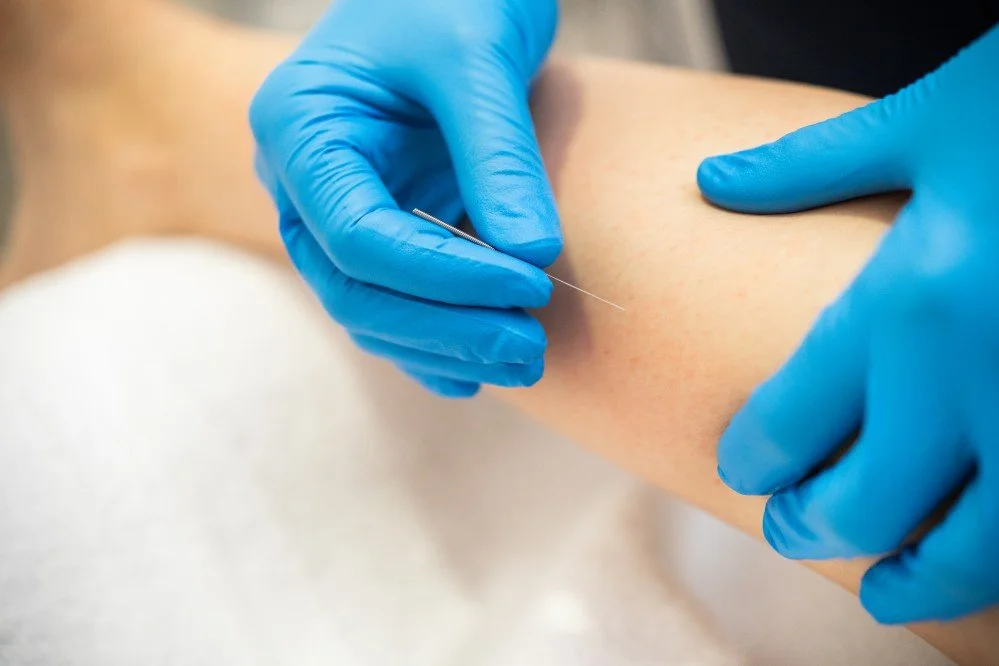
Although it may look similar to acupuncture, dry needling is based on modern biomedical science, focusing on the musculoskeletal and nervous systems rather than traditional Chinese medicine principles.
💡 What Is Dry Needling?
Dry needling involves the use of thin, solid-filament needles that are inserted into the skin and muscle. These needles target tight, irritable areas within muscles called trigger points.
The goal:
Relieve muscle pain and stiffness
Improve flexibility and range of motion
Enhance overall movement and performance
⚙️ How Does Dry Needling Work?
Triggering a Local Response:
When the needle enters a trigger point, it can cause a small, involuntary twitch. This is called a local twitch response and helps release the tight muscle.Improving Blood Flow:
The needling process stimulates blood circulation in the area, delivering oxygen and nutrients that promote healing.Affecting the Nervous System:
The stimulation from dry needling can help modulate nerve activity, effectively “closing the gates” to pain signals and reducing overall pain perception.
💪 What Can Dry Needling Treat?
Dry needling is often part of a broader physiotherapy plan and can help with:
Musculoskeletal pain and tension
Muscle tightness and dysfunction
Movement impairments
Tendinopathies and strains
Chronic pain conditions
It is commonly used alongside exercise therapy, stretching, and manual techniques to optimize recovery and function.
🩺 What to Expect During a Session
Your physiotherapist will:
Assess your condition and identify active trigger points.
Insert sterile, single-use needles into those points.
Leave the needles in place for a short period or move them gently to stimulate tissue.
You may feel a brief twitch or ache—this is a normal and expected part of treatment.
Afterward, it’s common to experience mild soreness for a day or two, similar to post-exercise muscle soreness.
🧠 The Bottom Line
Dry needling can be an effective addition to physiotherapy care, helping reduce pain, improve mobility, and restore healthy muscle function.
When performed by a qualified professional, it’s a safe and evidence-based technique that supports long-term recovery and performance.
Book a Session at Mainway Physiotherapy
At Mainway Physiotherapy, our experienced team integrates dry needling into personalized treatment plans to help you move better, feel better, and live pain-free.
📞 Call us today 905-332-3800