

Tennis Elbow in Real Life: Why It’s Not Just a Sports Injury

Although its name suggests that only tennis players suffer from tennis elbow, it’s common among individuals who play sports or not. If you use your hands a lot during the day (typing, lifting, gripping, or painting for example), you’re at risk. You don’t need to step onto a court to feel the pain.
Tennis elbow is the common name for lateral epicondylitis. It happens when the tendons in your forearm get inflamed. The main cause is overuse of the muscles that straighten your wrist. If your job or daily routine involves a lot of wrist motion, you’re putting those tendons under constant stress.
Most people feel the pain on the outside of the elbow. It starts gradually and gets worse when you grip, twist, or lift. Everyday tasks, such as opening jars, shaking hands, or lifting grocery bags, can suddenly cause more pain than they should.
What Causes Tennis Elbow (Besides Tennis)
The name is misleading, as tennis elbow isn’t just a sports injury. It often begins in the routine of day-to-day life. Depending on what you spend your time doing, from painting a room to lifting weights, or spending hours at your computer, repetitive motion in the wrist can lead to inflammation and strain on the tendons that connect to the elbow, resulting in pain. Activities that use small muscles over and over, like:
● Typing or using a mouse
● Lifting children or heavy bags
● Playing an instrument
● Gardening or yard work
● Using hand tools like a screwdriver
Strain your wrist and elbow without giving your muscles time to recover.

Why Office Workers, Parents, and Tradespeople Are at Risk
Tennis elbow is often seen in people who use their arms and hands repetitively throughout the day, even if they’ve never held a tennis racquet.
Office workers who spend long hours typing and clicking a mouse may develop symptoms from the constant low-impact strain. Parents lifting children, construction workers using heavy tools, and hairstylists holding blow dryers all put their forearm tendons to the test.
These everyday demands cause micro-tears in the tendon over time, leading to the pain and inflammation we recognize as tennis elbow. In short, if your work or routine involves grip, lift, or repeat, then you’re at risk.
The Role of Poor Technique and Posture
Repetitive strain is only part of the problem. How you move also plays a role. Poor posture, improper lifting techniques, or using tools incorrectly can speed up the wear and tear on your elbow tendons. Many people unknowingly put extra stress on their arms when lifting objects, typing with bent wrists, or working with tools held at awkward angles. These small habits, when repeated day after day, can make a big difference in how your tendons respond.
Know the Signs of Tennis Elbow
Pain is your first clue. It usually starts on the outside of your elbow and might spread down your forearm. Other signs include:
● Weak grip
● Stiffness in the elbow, especially in the morning
● Pain when lifting or twisting your arm
● Trouble holding or carrying objects
If any of these sound familiar, don’t ignore them. Waiting too long can make the problem worse.
Long-Term Complications If Left Untreated
Ignoring tennis elbow can lead to chronic pain that lasts for months or even years. Over time, it can limit your range of motion, weaken your grip, and make simple tasks like holding a cup of coffee uncomfortable.
If the tendon damage progresses, you may start compensating with other muscles, which can cause new aches in your shoulder, wrist, or neck. What starts as a mild irritation can turn into a long-term disability if not properly managed. That’s why early intervention is so important: the sooner you act, the faster you can get back to normal.
How is Tennis Elbow Diagnosed?
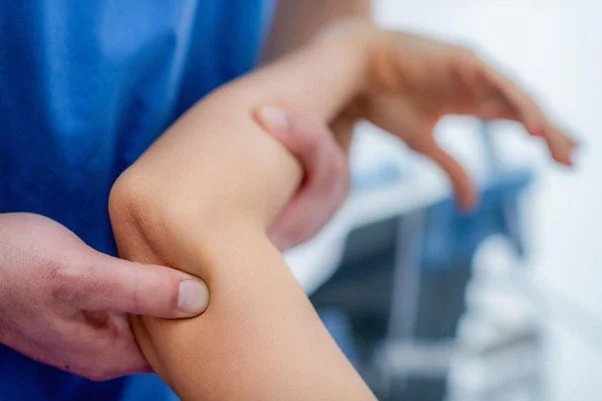
If you’re experiencing symptoms in your wrist and/or elbow, reach out to a trusted and registered Physiotherapist to have it evaluated. Your Physiotherapist will start by asking about your pain, including when it began, what triggers it, and how it affects your daily routine.
Then they’ll perform a physical exam, which may include pressing on your elbow and asking you to move your wrist and fingers to assess your strength and range of motion. This helps determine whether it’s tennis elbow or possibly something else.
How to Treat Tennis Elbow
You don’t need surgery for tennis elbow. Most people recover from tennis elbow pain with simple, hands-on treatment and a few lifestyle adjustments.
Here’s what usually helps:
● Resting your arm and avoiding painful activities
● Using ice to reduce inflammation
● Wearing a wrist brace or elbow sleeve
● Doing stretching and strengthening exercises through physiotherapy
● Trying dry needling or acupuncture
● Using ultrasound or laser therapy to speed healing
● Learning proper techniques for lifting or gripping
You don’t need all these treatments. Your Physiotherapist will guide you through what’s right for your situation and come up with an individualized plan.
Recovery Timeline and What to Expect
While recovery time varies, most people with tennis elbow see improvement within 6 to 12 weeks with consistent physiotherapy. Mild cases may heal in as little as a few weeks, while more advanced cases take longer to respond to treatment.
The key is sticking with your plan. This includes performing your prescribed exercises, avoiding reinjury, and gradually returning to your activities. Your Physiotherapist will monitor your progress and adjust your treatment to keep your recovery on track. Think of recovery as a process, not a quick fix, but one that helps you move better long after the pain is gone.
How to Prevent Tennis Elbow
You can avoid tennis elbow by taking care of your muscles. If you do the same motion many times each day, give your arms regular breaks. Stretch your forearms often. Use proper form when lifting or typing.
Here are a few ways to reduce the risk of repetitive strain injury:
● Set up an ergonomic workspace
● Use the right tools for tasks like gardening or home repairs
● Strengthen your forearms and shoulders
● Stop any activity if you feel pain in your elbow
● Don’t grip objects too tightly if you don’t need to

When to See a Physiotherapist
If your elbow pain lasts more than a week or keeps recurring, it is probably time to call and schedule an appointment with a Physiotherapist. Don’t wait until tennis elbow affects your work or sleep. Early treatment helps shorten recovery time and enables you to return to your routine more quickly.
Tennis elbow can feel like a small issue, but it quickly becomes a big one if you ignore it.
At Mainway Physiotherapy Burlington, we take a holistic approach to injury prevention, chronic pain, rehabilitation, and sports therapy. Our team of certified professionals will help you live an active and pain-free lifestyle by creating a personalized treatment plan tailored to your goals.
Book your appointment, and let us help you Keep Moving!