

Torn, Strained, or Sore? Let’s Talk Rotator Cuff Injuries
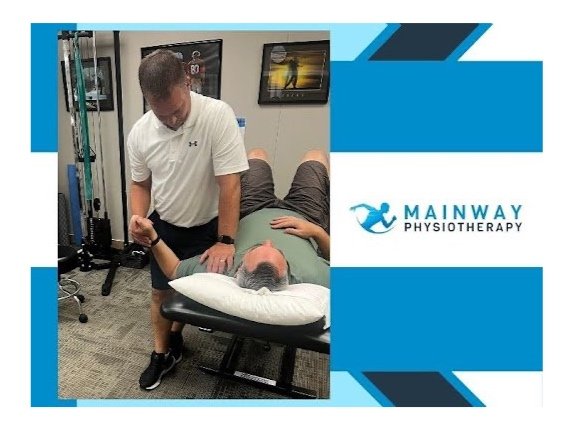
Shoulder pain is one of the most common musculoskeletal complaints, often starting as mild discomfort when reaching overhead or lifting daily items. For many, this pain is easy to ignore until it starts to affect sleep, limit mobility, or cause sharp, persistent aches. One of the most common sources of such discomfort is a rotator cuff injury, a condition that becomes harder to treat the longer it’s left unaddressed.
What Is the Rotator Cuff and Why Is It Vulnerable?
The shoulder is the most mobile joint in the human body, and that mobility depends on a delicate balance of muscles, tendons, and ligaments. The rotator cuff is a group of four muscles, including the supraspinatus, infraspinatus, teres minor, and subscapularis, along with their tendons, that stabilize the shoulder joint and control arm movement. These muscles work together like a symphony: while one muscle initiates arm movement, others stabilize the joint to prevent dislocation or undue strain. This coordinated action enables you to perform complex tasks, such as throwing, swimming, or even combing your hair.
This structure is vulnerable to injury because it is involved in nearly every arm motion. Overuse, sudden trauma, poor posture, or age-related degeneration can disrupt this balance, leading to inflammation, partial tears, or complete rupture. Even simple daily actions such as typing with rounded shoulders or lifting groceries with poor mechanics can gradually wear down the rotator cuff tendons, setting the stage for injury.
How Do Rotator Cuff Injuries Happen?
Rotator cuff injuries can be either degenerative or acute in nature.
Degenerative injuries:
Develop slowly over time, often due to repetitive overhead motions, which are common in activities such as swimming, painting, or prolonged computer use with poor posture. This repeated strain causes micro-tears that weaken the tendon structure.
Acute injuries:
May occur suddenly from lifting a heavy object with a jerky motion or falling on an outstretched arm.
Both types can cause significant shoulder dysfunction if not identified and managed early. Prompt attention following any trauma or strain can significantly improve outcomes, preventing minor issues from developing into major setbacks.

What Does a Rotator Cuff Injury Feel Like?
The symptoms of a rotator cuff injury vary, depending on the severity and type of tear. But there are some familiar red flags:
A dull, deep ache in the shoulder that doesn’t go away
Pain that worsens when lifting or lowering the arm
Weakness with overhead tasks like putting away groceries
Trouble reaching behind the back, such as to fasten a bra or grab a seatbelt
Sleep disruption, especially if lying on the affected shoulder
In acute cases, a person may experience a sharp, tearing sensation, followed by immediate weakness in the affected arm. Complete tears often make it difficult or impossible to lift the arm at all. In some individuals, pain may radiate down the side of the arm or mimic neck issues, making an accurate diagnosis essential. Even without a traumatic incident, persistent discomfort in everyday tasks should not be ignored.
Risk Factors Few Consider
While overuse and trauma are known causes, there are other less obvious risk factors that increase susceptibility:
Age: Tendons naturally weaken and lose elasticity over time, particularly after the age of 40.
Lifestyle factors: Smoking and poor blood circulation reduce the body's ability to heal tendon damage.
Health conditions: Diabetes and certain genetic predispositions can impair tendon quality.
Poor posture: Slouched shoulders or forward head posture, often from tech use, adds chronic strain to the rotator cuff.
Occupational demands also play a role. People who work in manual labour, caregiving, or desk-bound roles with improper ergonomics are all at elevated risk. Regular movement assessments and ergonomic corrections can make a significant difference. Understanding these factors helps identify early intervention strategies before the damage worsens.
Diagnosis and Conservative Treatment
Early diagnosis is key. A clinical evaluation, supported by imaging such as MRI or ultrasound, can confirm the extent of the injury. In most cases, surgery is not required. Conservative treatment is effective for partial tears and overuse injuries and includes:
Rest and activity modification to avoid overhead lifting and strain
Physiotherapy focusing on stretching, strengthening, and mobility restoration
Pain management using ice packs, heat therapy, NSAIDs, or corticosteroid injections
Manual Therapy, such as mobilization and taping techniques, to support the joint
Posture education to correct mechanical stress and avoid re-injury
Additionally, patient education plays a critical role. Understanding the biomechanics of the shoulder and how to protect it during daily routines empowers patients to take an active role in recovery. Physiotherapists often teach self-mobilization and ergonomic adjustments to reinforce healing.
The Role of Exercise
Rehabilitation exercises are foundational to shoulder recovery. When done correctly, they help retrain the muscles and restore function. Here are some of the exercises that you can do at home or under the guidance of an experienced physiotherapist:
Pendulum swings to promote gentle motion
Isometric exercises that build strength without joint movement
Resistance band work for internal and external rotation
Scapular stabilization drills to improve posture and support
It's crucial to avoid exercises that worsen symptoms, including behind-the-neck presses, jerky lifting motions, or anything that triggers sharp pain. Progression should always be gradual. A well-structured exercise program evolves with healing, moving from passive to active phases, and eventually to functional retraining tailored to the individual's lifestyle or sport.
When Surgery May Be Needed
Surgical intervention is considered only when:
There is a complete or large tear
Conservative treatment fails to improve function or reduce pain
There is a significant loss of strength or mobility
In such cases, arthroscopic repair is typically performed, followed by a structured rehabilitation program. Post-operative rehab is critical to surgical success. The timeline may span several months, requiring a phased approach that reintroduces strength, endurance, and coordination with close physiotherapy guidance.
Long-Term Recovery and Prevention
Effective recovery is about more than just healing the tear. It involves correcting postural habits, rebalancing strength, and learning proper movement patterns to prevent recurrence.
It’s essential to find a qualified physiotherapist who not only helps clients recover from rotator cuff injuries but also identifies and addresses the root causes, such as poor posture or muscular imbalance, that may have contributed to the injury in the first place.
At Mainway Physiotherapy Burlington, we take a holistic approach to injury prevention, chronic pain, rehabilitation, and sports therapy. Our team of certified professionals will help you live an active and pain-free lifestyle by creating a personalized treatment plan tailored to your goals.
Book your appointment, and let us help you Keep Moving!