

Protect Your Back: Summer Gardening & Landscaping Injury Prevention Tips

Gardening season is finally here, and while it’s exciting to get outdoors and dig in the dirt, it’s important to stay mindful of potential injuries. After months of inactivity during the colder months, jumping into physical tasks like landscaping can put a strain on your body, especially your back.
Back injuries and muscle strains are some of the most common issues faced by home gardeners. After a winter of reduced physical activity, diving into physically demanding landscaping tasks without proper precautions can set the stage for discomfort, fatigue, and even long-term injuries.
Let’s explore why gardening injuries are so common and how you can avoid them for a safer, pain-free gardening experience.
Why are Gardening and Landscaping Injuries so Common?
During winter, we tend to stay indoors, and, intentional or not, physical activity usually drops off. As spring rolls around, it’s natural to have the urge to get outside and get moving, especially in your garden! However, after months of reduced activity, your muscles aren’t ready for the heavy lifting, bending, and repetitive motions gardening demands. This sudden strain can overwhelm your muscles, leading to muscle fatigue, inflammation, and injuries.
Why injuries tend to spike during gardening season:
Seasonal inactivity: Most of us become less active during the colder months. Our muscles lose strength and flexibility, making them more prone to injury when suddenly asked to work hard.
Repetitive movements: Gardening often involves repeated bending, squatting, and twisting, which can wear down muscles and joints over time.
Improper technique: Many injuries are caused by poor posture, incorrect lifting habits, or using the wrong tools.
Your back, in particular, is vulnerable, and doing tasks like pulling weeds, lifting soil bags, or digging can cause discomfort and injury. When your muscles haven’t been used intensively for a while, it makes them more susceptible to overuse.
Tips to Prevent Back Injuries While Gardening
Gardening is physically demanding, and it’s essential to take steps to protect your body from strain and injury. Practical tips to help you avoid back injuries:
1. Warm Up and Cool Down
It’s easy to jump right into gardening, but warming up your muscles first can make a huge difference. Try some light stretching or a brisk walk to get your blood flowing. Then, when you’re done gardening, spend a few minutes cooling down and stretching again to relax your muscles and prevent soreness.
2. Stay Fit Year-Round
Maintaining general fitness throughout the year can help keep your muscles in shape for gardening. Focus on strengthening your core, including your lower back, abdomen, and pelvis. Exercises like planks, bridges, and Pilates can build the muscle support you need to protect your back while gardening.
3. Use Proper Lifting Techniques
When lifting heavy objects like soil bags or pots, always bend your knees and keep your back straight. Avoid twisting your back while lifting. A good rule is to use your legs to lift, not your back, as your legs are stronger and better equipped to handle the strain.
4. Choose the Right Tools
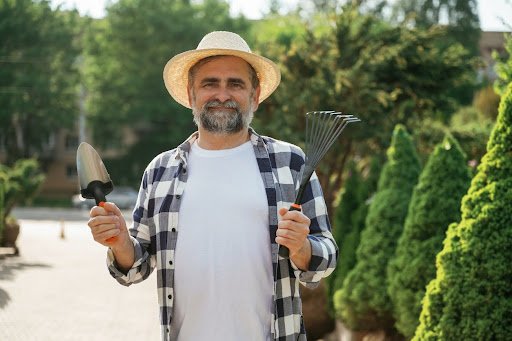
Opt for gardening tools with padded handles to reduce strain on your hands and wrists. Tools that keep your wrist in a neutral position can help prevent repetitive strain injuries, like tendonitis. Consider using raised garden beds or containers, too. These help you garden at waist height, minimizing the need to bend and squat, which puts less pressure on your back.
5. Pace Yourself
Gardening is not a race. Take breaks every hour or so to rest and avoid overexerting yourself. Switching up tasks can also help you avoid repetitive strain injuries. It’s important to listen to your body and slow down if you start to feel pain or fatigue.
6. Protect Your Hands and Knees
Wear gloves while gardening to protect your hands from cuts, infections, and irritants in the soil. Use a kneeling pad or a short gardening stool to relieve pressure on your knees. When kneeling, position your body so that one hand is supporting you while the other works. This technique reduces the strain on your back and joints.
7. Stay Organized
Use baskets or containers to carry your gardening supplies, evenly distributing the weight to avoid straining one side of your body. Always store tools safely and ensure you’re using the right tool for the job to minimize the risk of accidents or unnecessary strain.
Bonus tip: While your back and joints need protection, it's also crucial to be mindful of summer heat and hydration. Long hours in the sun can lead to fatigue, dizziness, or even heatstroke, which not only affects your overall health but can also increase your risk of injury by reducing focus and coordination.
Always garden during cooler parts of the day, early morning or late afternoon, and keep a water bottle nearby. Wearing a wide-brimmed hat, breathable clothing, and applying sunscreen can also help you stay safe and comfortable while enjoying your time in the garden.

Why Does Injury Prevention Matter?
For many, gardening is more than just a hobby; it’s also a way to unwind and enjoy nature. But if you don’t take care of your body, gardening can quickly turn into a painful experience. Follow the above injury prevention tips and enjoy your garden without the fear of injury.
Remember, preventing injury is much easier than recovering from it. So, stay safe, pace yourself, and keep these tips in mind to make the most of your gardening season.
When Should I Seek Professional Help for My Injury?
It’s time to consult a professional if you experience:
Persistent back pain
Muscle stiffness that doesn’t go away after rest
Tingling or numbness in your legs
At Mainway Physiotherapy, we specialize in diagnosing and treating gardening-related strains and injuries. Our team can help you recover quickly and teach you techniques to prevent future problems.
With a mindful approach and the right techniques, gardening can be both therapeutic and safe. Follow these tips, listen to your body, and don’t hesitate to reach out for help when needed. Stay informed, and enjoy your gardening in good health!
At Mainway Physiotherapy Burlington, we take a holistic approach to injury prevention, chronic pain, rehabilitation, and sports therapy. Our team of certified professionals will help you live an active and pain-free lifestyle by creating a personalized treatment plan centered around your goals. Book your appointment, and let us help you Keep Moving!